What Does "Non-Toxic" Nail Polish Actually Mean?
If you've spent any time shopping for nail products lately, you've probably seen labels like "5-free," "10-free," or "non-toxic" plastered across bottles and packaging. But what do those terms actually mean? And is your go-to drugstore polish really as harmless as it seems?
Let's break it down.
The Problem With Traditional Nail Polish
Conventional nail polish is a cocktail of chemicals designed to make it glossy, long-lasting, and quick-drying. The trouble is, several of the most common ingredients have been linked to health concerns ranging from skin and respiratory irritation to more serious long-term effects. Here are the biggest offenders to watch for:
- Toluene — a solvent that keeps polish smooth, but has been linked to headaches, dizziness, and reproductive concerns with heavy exposure.
- Formaldehyde — used as a hardener, and classified as a known carcinogen.
- DBP (dibutyl phthalate) — added for flexibility, but it's an endocrine disruptor that's been banned in cosmetics in the EU.
- Camphor — gives polish its shine, but can cause skin and eye irritation.
- Parabens — preservatives linked to hormone disruption.
- TPHP (triphenyl phosphate) — a plasticizer that's also an endocrine disruptor.
None of these are ingredients you want sitting on your nails (and absorbing into your skin) for two weeks at a time.
So What Does "5-Free" or "10-Free" Mean?
These labels simply tell you how many of the "toxic five" (or ten) ingredients a brand has removed from their formula. A "5-free" polish typically excludes toluene, formaldehyde, DBP, formaldehyde resin, and camphor. "10-free" goes further, cutting out additional chemicals like parabens, TPHP, xylene, and ethyl tosylamide.
The catch? There's no official regulatory body verifying these claims. Brands can label themselves "non-toxic" without much oversight. That's why it matters to actually look at the ingredient list, not just the marketing label.
Why We Went a Different Route With Nail Wraps
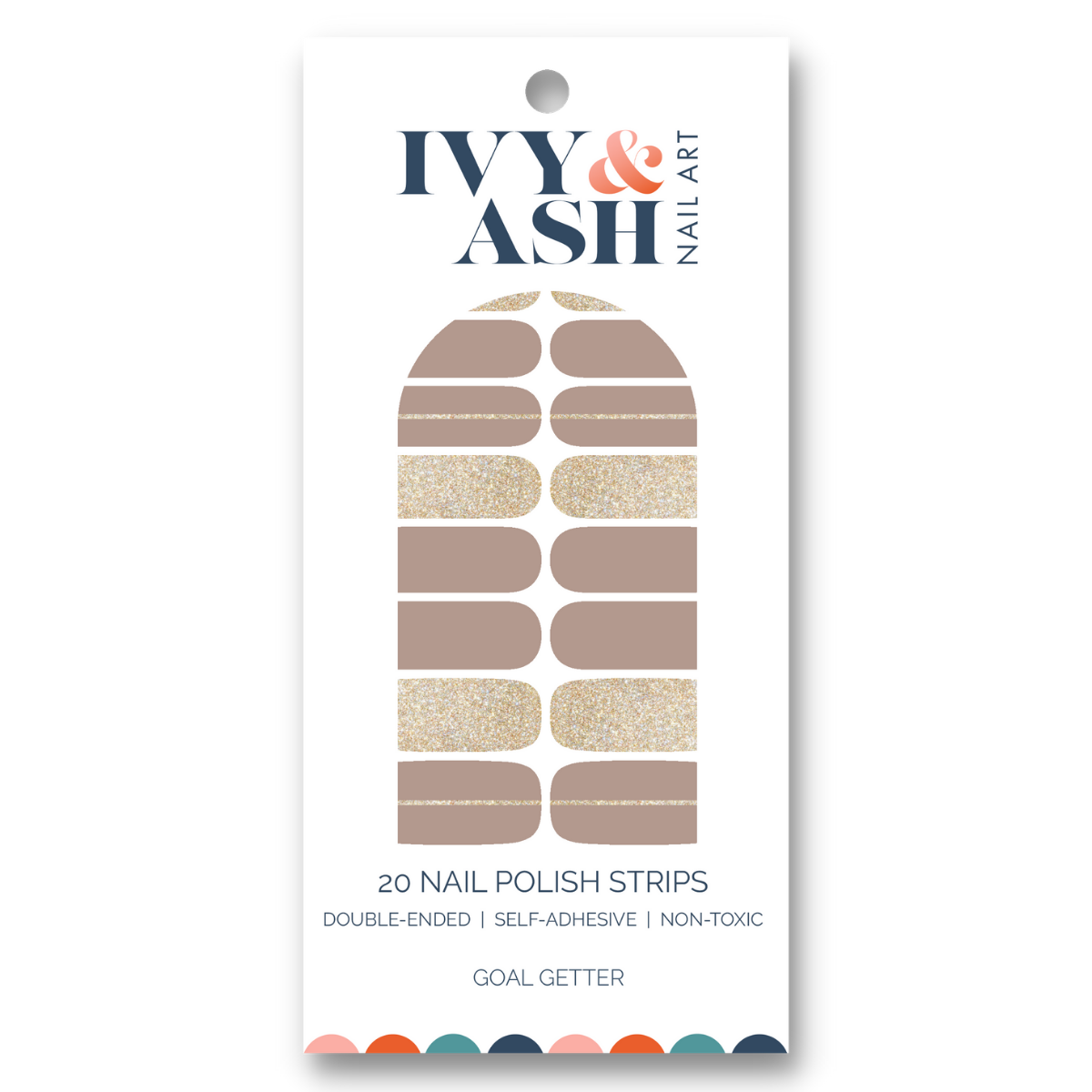
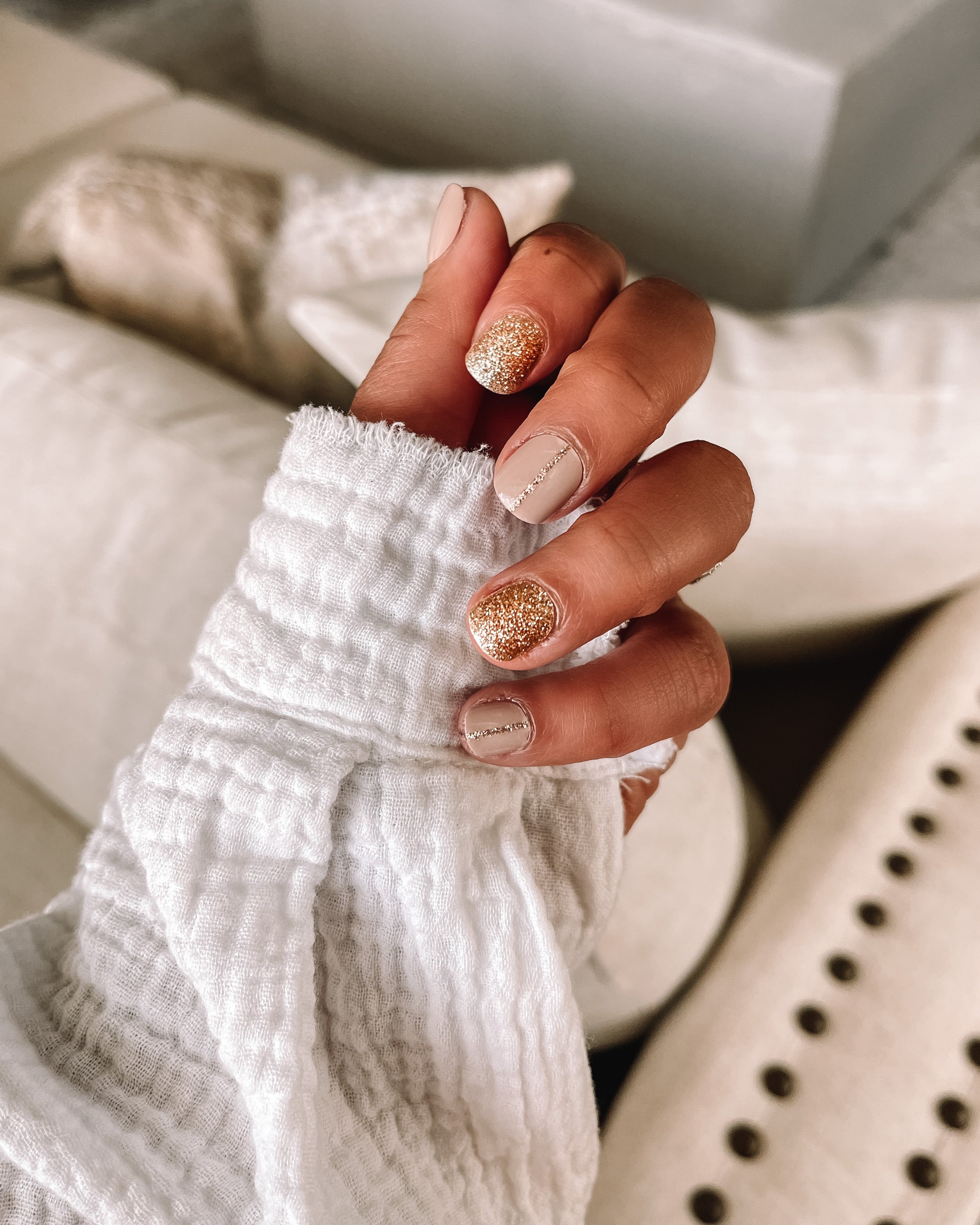
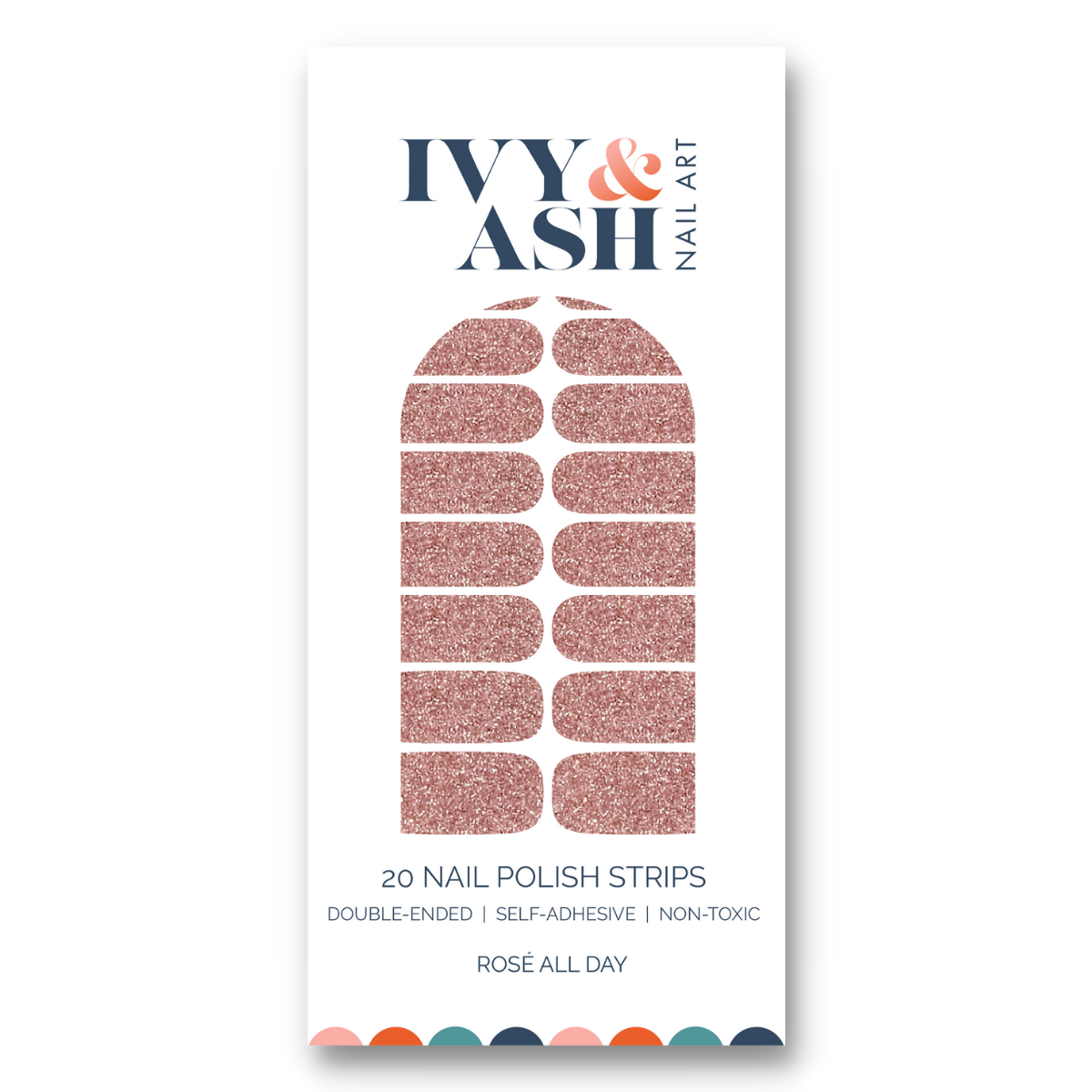
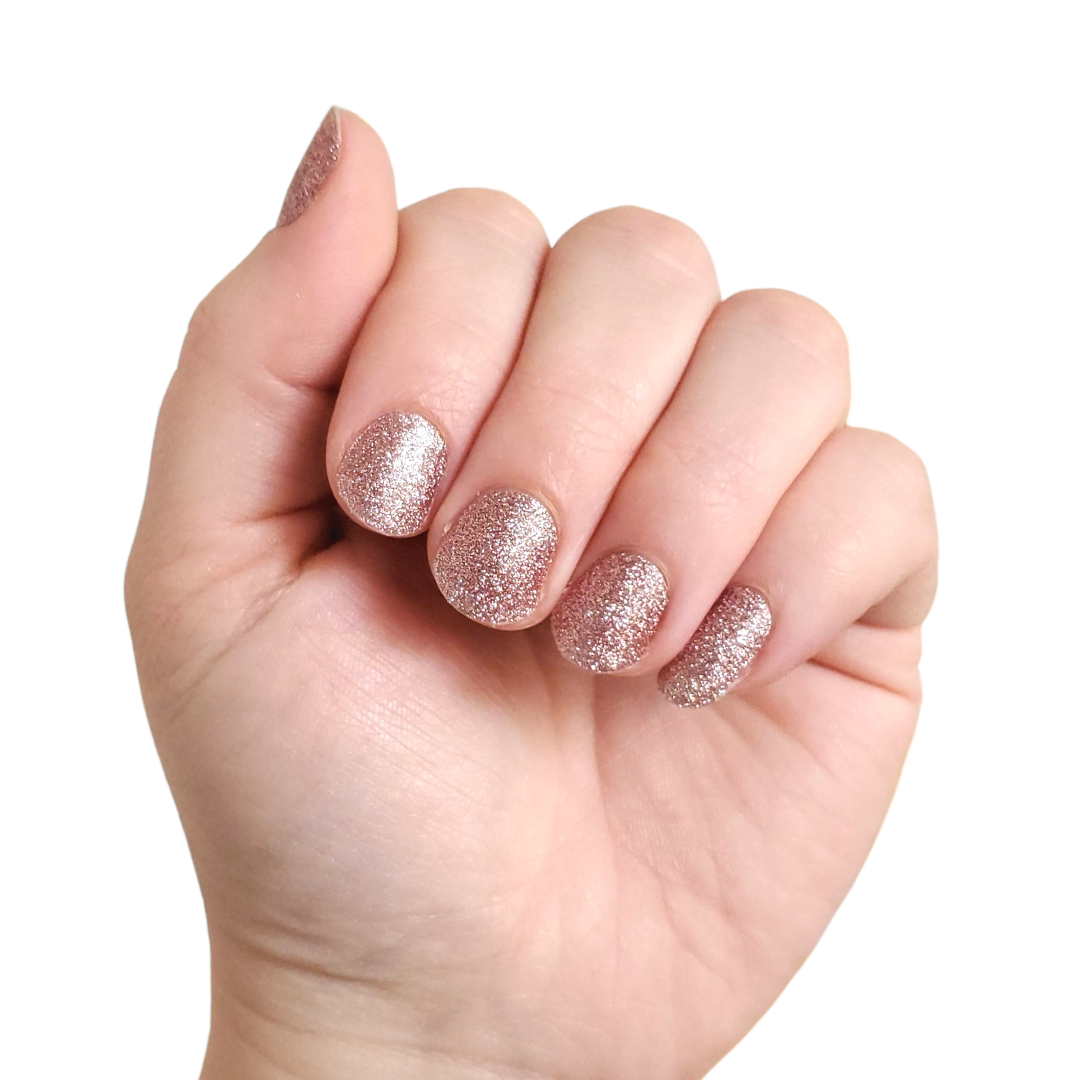
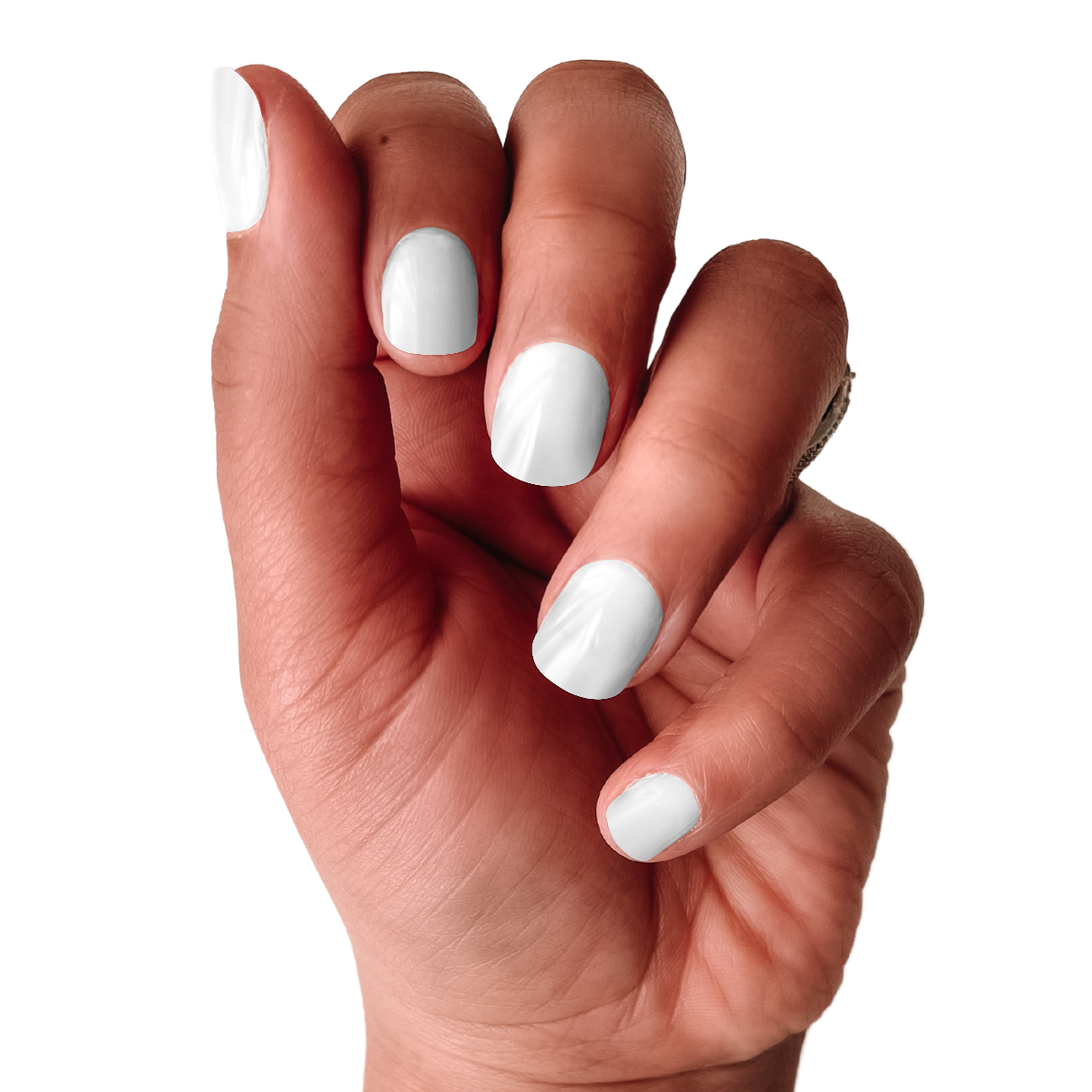
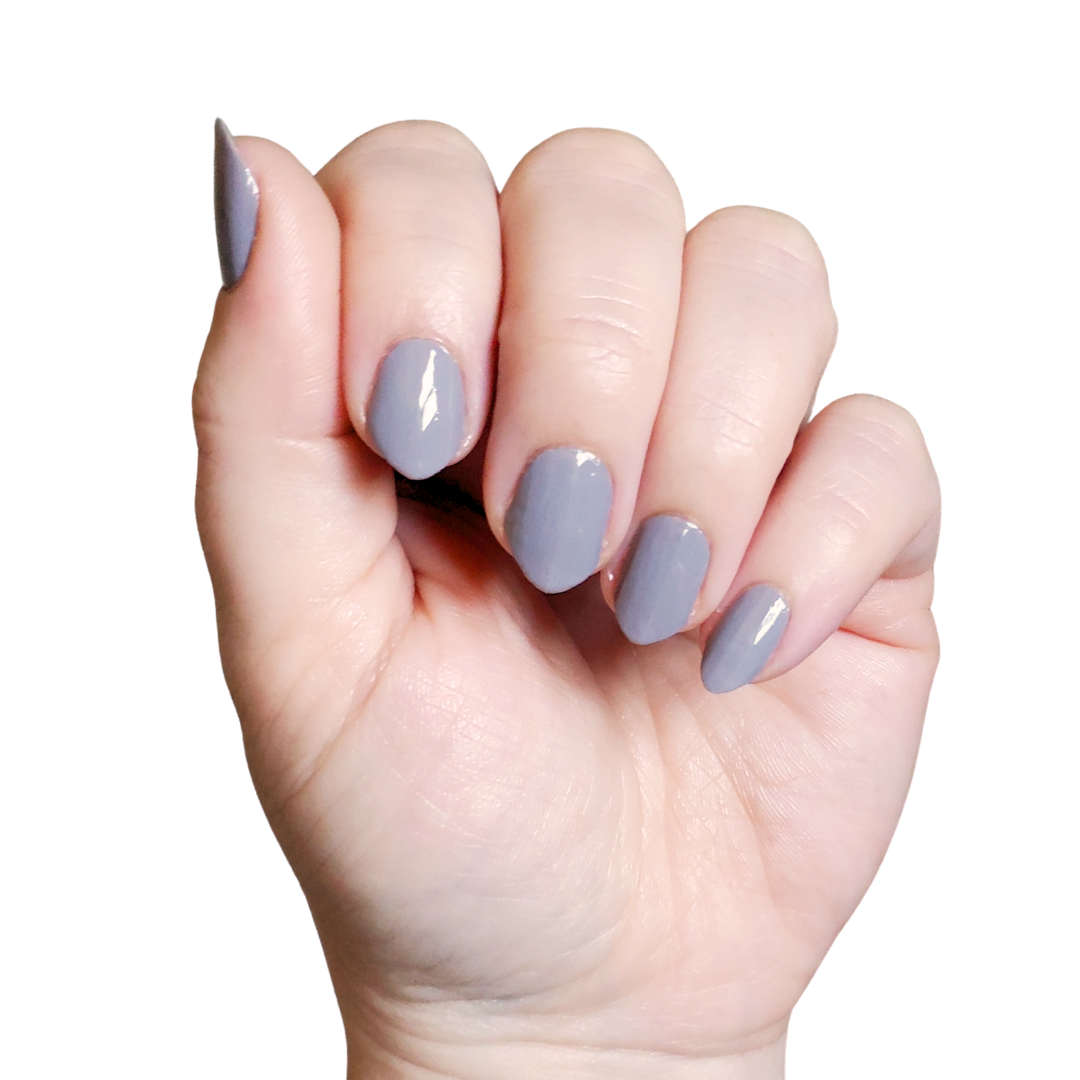
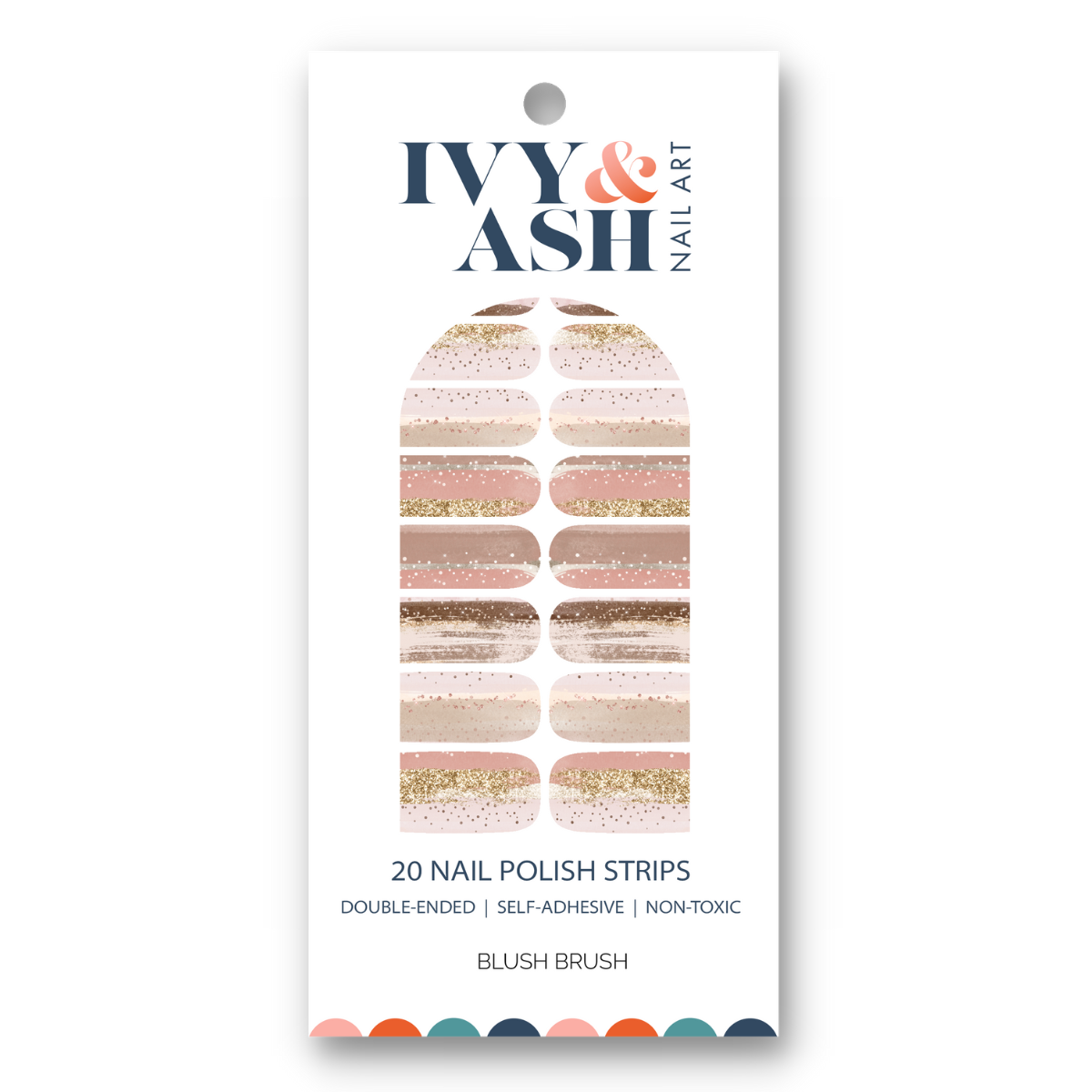
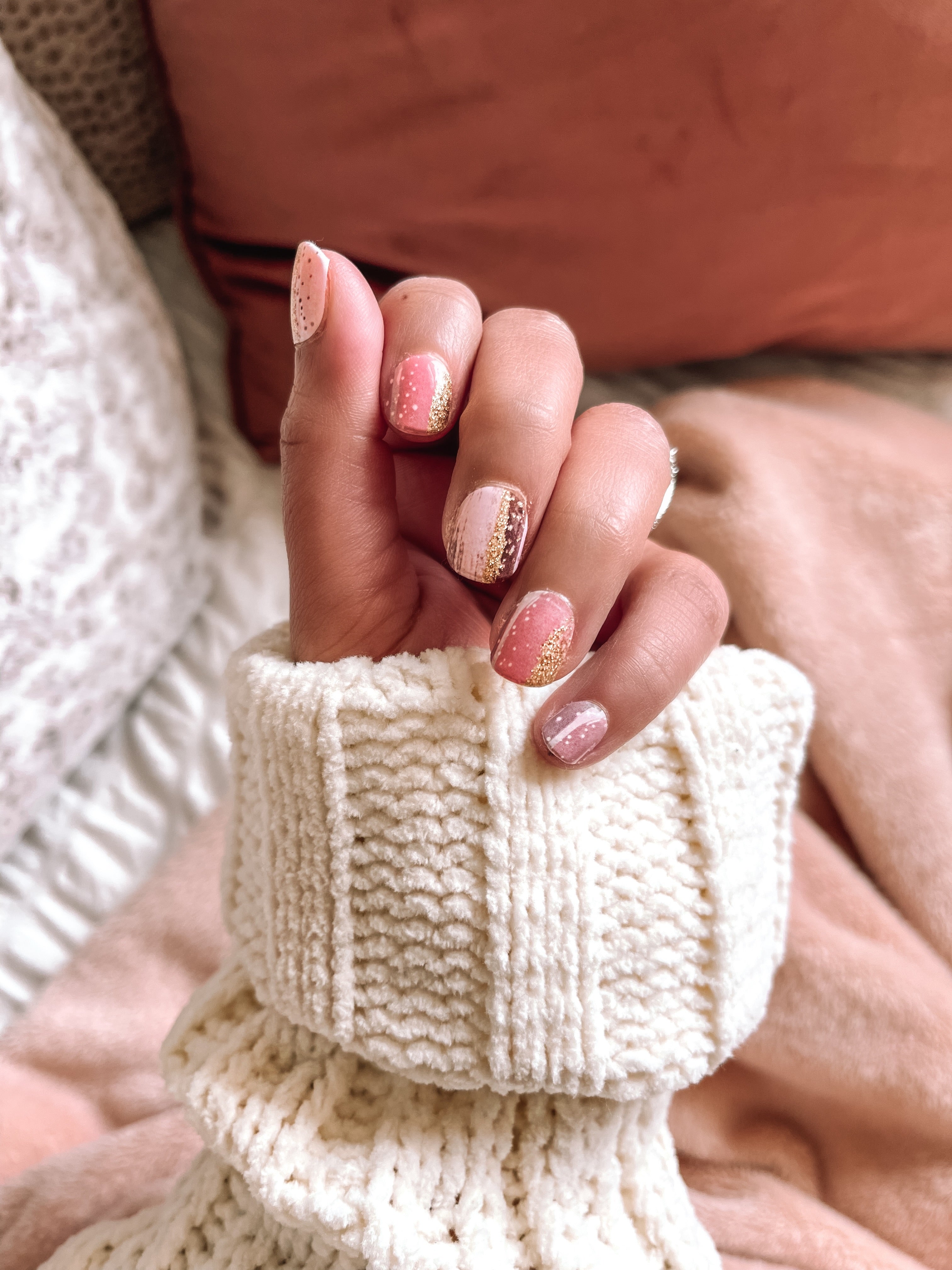
At Ivy & Ash, we skip liquid polish altogether. Our nail wraps are 10-free, cruelty-free, and vegan, made without toluene, formaldehyde, DBP, camphor, parabens, or TPHP. Here's what's actually in them:
- Polyacrylic Acid
- Polyurethane
- Cellulose Acetate Butyrate
- Triethyl Citrate
- Adipic Acid/Neopentyl Glycol/Trimellitic Anhydride Copolymer
- Butyl Acetate
- Ethyl Acetate
These ingredients work together to create a flexible, durable film that adheres to your nail (no brush, no fumes, no drying time) instead of relying on the harsher solvents found in traditional polish.
How to Vet Any Nail Product Yourself
Whether you shop with us or not, here's how to check what's really in your nail products:
- Look past the label. "Clean" and "natural" aren't regulated terms in cosmetics. Always check the actual ingredient list.
- Use an app. Tools like Think Dirty or Yuka let you scan a barcode and get an instant breakdown of ingredient safety ratings.
- Watch for vague terms. "Fragrance" or "parfum" can legally hide dozens of undisclosed chemicals.
- When in doubt, Google it. A quick search of an unfamiliar ingredient name usually turns up whether it's a known irritant or endocrine disruptor.
The Bottom Line
"Non-toxic" isn't just a buzzword, but it also isn't automatically true just because it's printed on a label. The best way to know what you're putting on your nails is to actually read the ingredients and choose brands that are transparent about what's (and isn't) in their formula.
Ready to try a formula you can actually pronounce? Browse our best-selling nail wraps and see why they've become the go-to for anyone ditching toxic polish for good.